Disaster risk reduction models for cities that are centred on persons with disabilities
- Solution
- Disability Inclusive Resilient Cities Model
- Organization
- ong inclusiva
- Country of Implementation
- Chile
- Region
- Latin America & Caribbean
- Subregion
- South America
- Start Year
- 2014
- First published
- 03.12.2025
Solution details
“Inclusive disaster planning saves lives. Leaving no one behind starts with everyone at the table.” Carlos Kaiser, Executive Director, ONG Inclusiva
ONG Inclusiva, a nationwide Chilean NGO, specializes in community-based, disability-inclusive disaster risk reduction work, which it offers across Latin America, Africa, and Asia. Its Disability Inclusive Resilient Cities Model identifies persons with disabilities, adapts emergency plans, trains stakeholders, and develops low-cost evacuation protocols and kits. From 2014 to 2025 it has expanded to over 80 municipalities in Chile and internationally, trained 3,000+ users, and inspired global tools such as the UNDRR Disability Scorecard.
Problems Targeted
Disaster risk reduction and emergency frameworks rarely address the diverse functional needs of persons with disabilities, leaving them unprotected in crises.
Solution, Innovation and Impact
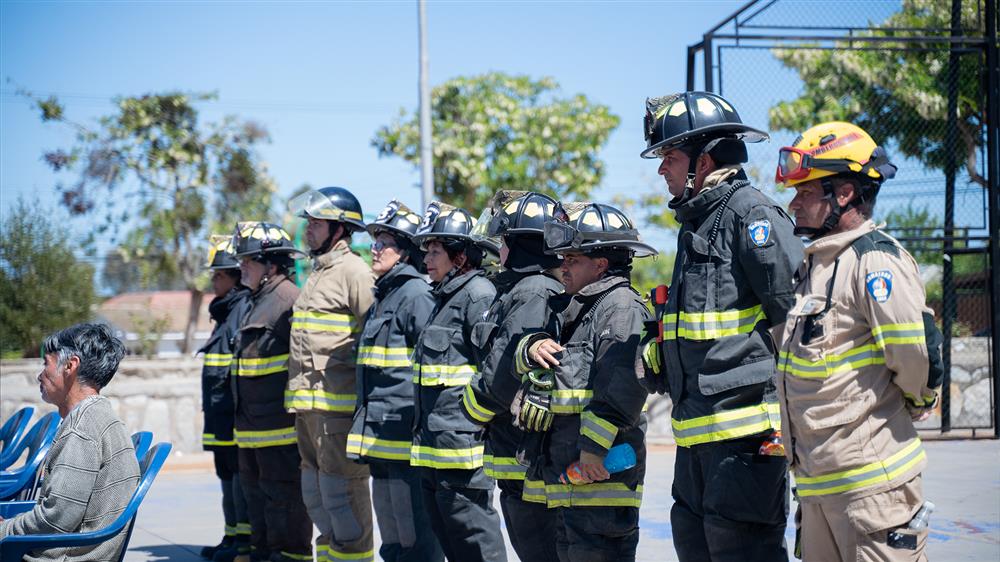
The Disability Inclusive Resilient Cities Model begins with identifying users and assessing needs through collaboration with local authorities and rehabilitation programmes. People with disabilities help identify barriers, develop inclusive evacuation plans, run simulations, and co-create policy recommendations. The programme trains municipal staff, emergency responders, and educators, including sign language for emergencies, inclusive planning strategies, and public awareness materials. Home adaptation plans and inclusive drills test evacuation routes with people with disabilities in real settings. Caregiver surveys and focus groups have produced 41 actionable proposals to improve emergency frameworks. Customized, disability-inclusive emergency kits are co-designed based on each individual’s functional profile. Usually, a training starts with one drill on the ground, which is continued with train-the-trainer models and manuals. From 2014 to 2025 the initiative has trained over 2,000 students, responders, and government staff, reaching 3,000 users in the Valparaíso region in 2023.
Funding, Outlook and Transferability
The project was initially supported by the Munich Re Foundation’s Risk Award with $110,000 and later received $365,000 from each of the Metropolitan and Valparaíso regional governments. All costs are covered by ONG Inclusiva and its donors and is cost-free for the municipality. The model has been replicated elsewhere in Latin America as well as in Kazakhstan, the Philippines, and Uganda. It has also influenced the MCR2030 (Making Cities Resilient Programme of the UNDRR). It is set for further growth with regional training hubs and technical toolkits for Latin America and beyond. (#ZeroCall26)
Media
Related information
- Connections
- 1
-
Organization