Multinational company embedding people with disabilities into product development
- Solution
- Inclusive Design Framework
- Organization
- Panasonic Holdings Corporation
- Country of Implementation
- Japan
- Region
- Asia & Pacific
- Subregion
- Southeast Asia
- Start Year
- 2023
- First published
- 03.12.2025
Solution details
“Our actions may be small, but each one makes a difference.” Misaki Tanaka, Head, DEI Design Division, Panasonic Holdings Corporation
In 2023, Panasonic – a multinational electronics company based in Osaka, Japan – launched its Inclusive Design Framework to ensure the involvement of persons with disabilities throughout the company’s whole product development cycle. By 2025, 30 inclusive design projects had been launched or are awaiting public release, and over 1,000 employees had been trained, with the framework currently expanding group wide.
Problems Targeted
Since the needs of users with disabilities are not usually considered when developing products, most corporate designs neglect accessibility features.
Solution, Innovation and Impact
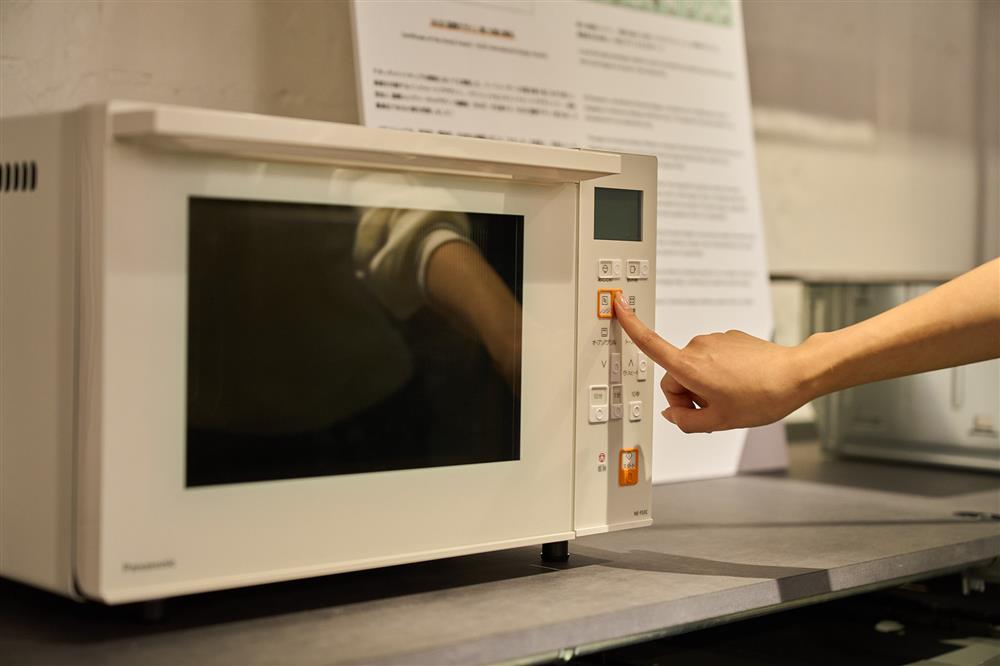
The Inclusive Design Framework at Panasonic: From Internal Policy to Practical Product Innovation has integrated three implementation requirements in the company´s procedures. First, design teams engage with ‘lead users’ who have disabilities during the planning stage to gain insights from their lived experiences. Second, they continue the co-creation process throughout the design and development stages, with DPO members and expert users reviewing iterations, addressing access barriers, and optimizing design choices in real time. Third, before implementation users test features to ensure they are accessible and address physical, sensory, and cognitive needs. One example is the co-creation of 3D-printed attachments that improve the usability of consumer electronics for people with visual or hand-related disabilities. These data files are openly shared online, enabling users to affordably and independently adapt products. To support practice, Panasonic has developed a guidebook and provides company-wide training. The DEI (Diversity, Equity, and Inclusion) Design Division offers cross-functional support, assisting business units directly with their development efforts.
Funding, Outlook and Transferability
The Inclusive Design Framework is funded through Panasonic’s internal budgets. The methodology is being scaled across the Panasonic Group, with tools and guidelines made publicly available and referenced by other organizations. (#ZeroCall26)
Media
Related information
- Connections
- 1
-
Organization