Linking supported living, an open studio, art sales, and museum exhibitions
- Solution
- Gugging – Inclusive Artistic Ecosystem
- Organization
- Museum Gugging
- Country of Implementation
- Austria
- Region
- Europe
- Subregion
- Western Europe
- City
- Maria Gugging / Klosterneuburg
- In cooperation with
- NÖ Kulturwirtschaft GesmbH (NÖKU)
- Start Year
- 2006
Solution details
“At the centre are the artists, the visibility of their work, and recognition of their achievements.” Nina Ansperger, Artistic and Scientific Director, Museum Gugging
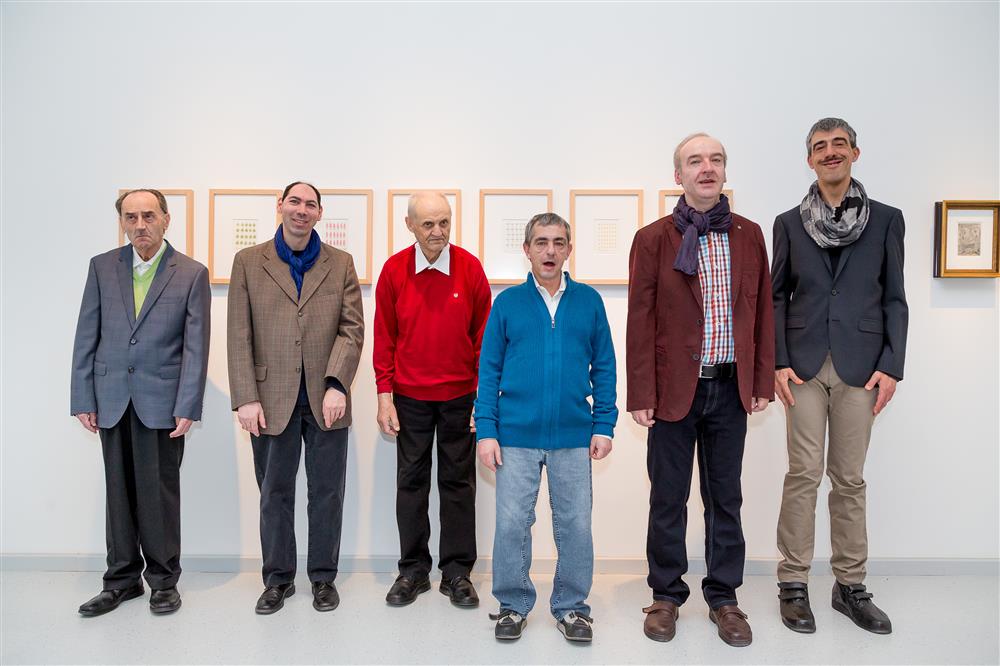
Museum Gugging is a publicly funded museum in Maria Gugging, near Vienna, dedicated to Art Brut -- art created outside academic traditions. The opening of Museum Gugging in 2006 expanded existing structures into a model that combines supported living, an open studio, a gallery, and the museum. The approach is grounded in an understanding of disability as a structural issue: exclusion arises not from individuals but from systems that frame and interpret their work. The Museum currently presents around 40 artists.
Problems Targeted
Art by persons with intellectual, learning, or psychosocial disabilities is often segregated or framed through diagnosis and biography, rather than assessed as contemporary art in its own right.
Solution, Innovation and Impact
In 2006, Museum Gugging expanded the existing Gugging ecosystem into a support and exhibition model linking four institutions: (1) The House of Artists, a residence run by the non-profit Association of Gugging Friends, provides supported living for up to 14 artists, with individual support promoting independence, freedom of choice, and self-determination; (2) Atelier Gugging is an open studio with 18 full-time places, some of which are also used by external participants on a day-service basis; (3) Galerie Gugging sells work by some 30 living and deceased artists in the professional art market; and (4) Museum Gugging preserves, researches, and exhibits, currently presenting works by around 40 artists, including 14 living artists, seven of whom reside in the House of Artists. Artists take part in all decisions about daily life and exhibitions, supported by their own Artists’ Interest Group.
Funding, Outlook and Transferability
Museum Gugging is publicly funded through NÖ Kulturwirtschaft GesmbH (NÖKU), Lower Austria’s cultural holding. Galerie Gugging operates commercially, with art-sale income divided equally between the artists and the artist-owned gallery. While some artists pursue professional careers and income, others place greater value on self-expression and recognition. The Association of Gugging Friends supports Atelier Gugging and the House of Artists through public and social funding. By 2031, Museum Gugging plans to develop international partnerships and increase opportunities for artists to exhibit internationally while further developing inclusive curatorial, education and accessibility practices. (Zero Project Arts Awardee 2027)
Media
Pictures
Related information
- Connections
- 2
-
Organization
- People
