Download the transcript and listen to the episode on Spotify, Apple Podcast and YouTube Podcasts
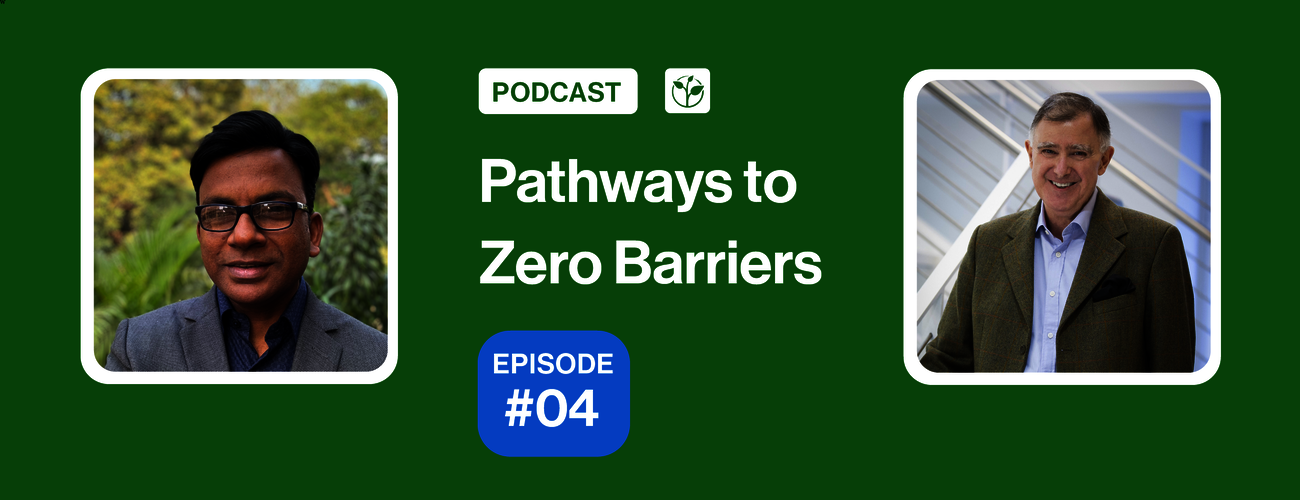
In a new episode of the third season of Pathways to Zero Barriers, host Tom Butcher speaks with Prashant Ranjan Verma, digital accessibility expert, General Secretary of NAB Delhi, and Accessibility Specialist at the DAISY Consortium, about how simple technology powered by backend AI innovation is opening up a world of information for blind and low-vision communities across India.
The conversation builds on Prashant’s personal journey with sudden vision loss, his decades-long work in global accessibility, and the creation of Shravan—an AI-powered, telephone-based digital library.
Bridging the digital divide via low-tech
A central part of the episode explores how low-tech user interfaces combined with advanced backend AI can bridge the digital divide, overcome economic and literacy barriers, and provide structured, multilingual access to books, news, and vital information.
Prashant discusses how simple telephone calls can provide a point of access for daily news, information, and other resources without requiring internet access, smartphones, or digital literacy.
The conversation also looks at why structured international standards such as DAISY and EPUB are critical for navigation, allowing users to browse chapters and pages easily rather than relying on endless fast-forwarding.
AI-generated news and the limits of AI
Prashant shares insights into how hyper-realistic text-to-speech AI can lower barriers to producing quality content, enabling automated, human-like news bulletins to be created in minutes.
At the same time, the conversation addresses the risks of over-relying on AI. Prashant explains why automated plugins and runtime AI generation are not a substitute for true web accessibility standards, human expertise, and proper document structuring.
Pathways to Zero Barriers
Listen to the fourth episode of Pathways to Zero Barriers on your favourite streaming platform and subscribe to our channels!