Dental care model adapted to the needs of patients with intellectual disabilities
- Solution
- Dental Care for Persons with Intellectual Disabilities
- Organization
- Beit Issie Shapiro
- Country of Implementation
- Israel
- Region
- Asia & Pacific
- Subregion
- MENA
- Start Year
- 2021
- First published
- 03.12.2025
Solution details
“My fear has faded, and for the first time I feel like an equal among equals.” Yohanan, a BIS patient
Beit Issie Shapiro (BIS) – a leading, innovation-driven NGO based in Ra'anana and Qalansuwa – promotes inclusion of persons with intellectual disabilities through therapeutic, educational, and assistive-technology programmes. In 2021 it launched a programme to improve dental care, enabling patients with intellectual disabilities to avoid general anaesthesia. As result, usage has declined from 45 percent to less than 5 percent of all treatments in their facility.
Problems Targeted
Very often, general anaesthesia is used for dental care in patients with intellectual disabilities to avoid stress and refusals, but the process comes with a risk to their health and often delays treatment.
Solution, Innovation and Impact
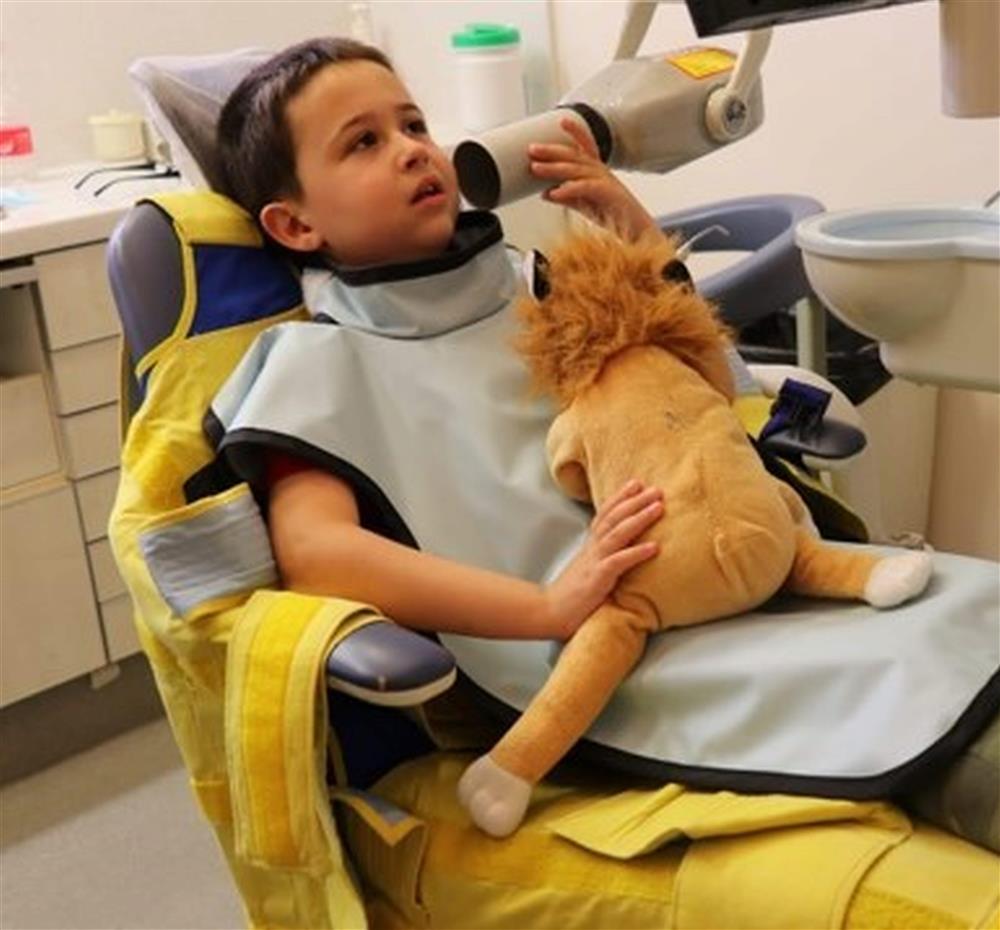
In Beit Issie Shapiro’s Dental Care for Persons with Intellectual Disabilities programme, patients are gradually introduced to dental instruments and staff, using visual schedules, social stories, and positive reinforcement tailored to their cognitive level. Caregivers and families are involved throughout each appointment and receive training. Often, sedation can then be minimized to avoid distress and refusal, enabling oral health professionals to provide the full variety of dental treatment that the clinic offers. The percentage of the treatments in which general anaesthesia is used has declined from 45 percent to 5 percent. This is beneficial for the health of the patient, and has also substantially reduced the treatment costs of the clinic. BIS offers comprehensive, hands-on training for caregivers, parents, and therapists of persons with disabilities, covering daily oral hygiene (including effective tooth-brushing techniques, use of adaptive devices, cooperation strategies, and sensory adaptation), healthy nutrition for preventing tooth decay, and practical guidance on injury prevention. The training has been fully implemented at the BIS clinic in Ra'anana, which serves patients from across Israel. In 2024, 1,750 patients received dental treatment, marking a 32 percent increase over three years; and during this period the number of patients receiving care without general anaesthesia has increased significantly.
Funding, Outlook and Transferability
The model development an impact-related activities such as knowledge management, model development, articles, academic research, and training are funded 100 percent through philanthropic grants. The dental clinic at BIS is self-sustaining: service income covers all expenses, with BIS offering substantial subsidies to those who cannot afford treatment. (#ZeroCall26)
Media
Related information
- Connections
- 1
-
Organization