A museum´s multisensory approach to its exhibitions
- Solution
- Wien Museum Renovation and Expansion
- Organization
- Wien Museum
- Country of Implementation
- Austria
- Region
- Europe
- Subregion
- Western Europe
- Start Year
- 2023
- First published
- 03.12.2025
Solution details
“Inclusion is not something we do, it’s now part of who we are as an institution.” Matti Bunzl, Director, Wien Museum
The Wien Museum is a leading museum in Vienna covering the history of the city. In a comprehensive renovation and expansion of the building, a multisensory approach to its exhibition was implemented, using a multisensory, multilingual, and multi-format approach. Annual visitor numbers rose from 130,000 pre-renovation to 650,000 in 2024, with a steadily growing number of visitors requesting these services, such as inclusive school classes and NGOs.
Problems Targeted
Most museums lack full accessibility, meaningful DPO involvement, and inclusive design for visitors with disabilities.
Solution, Innovation and Impact
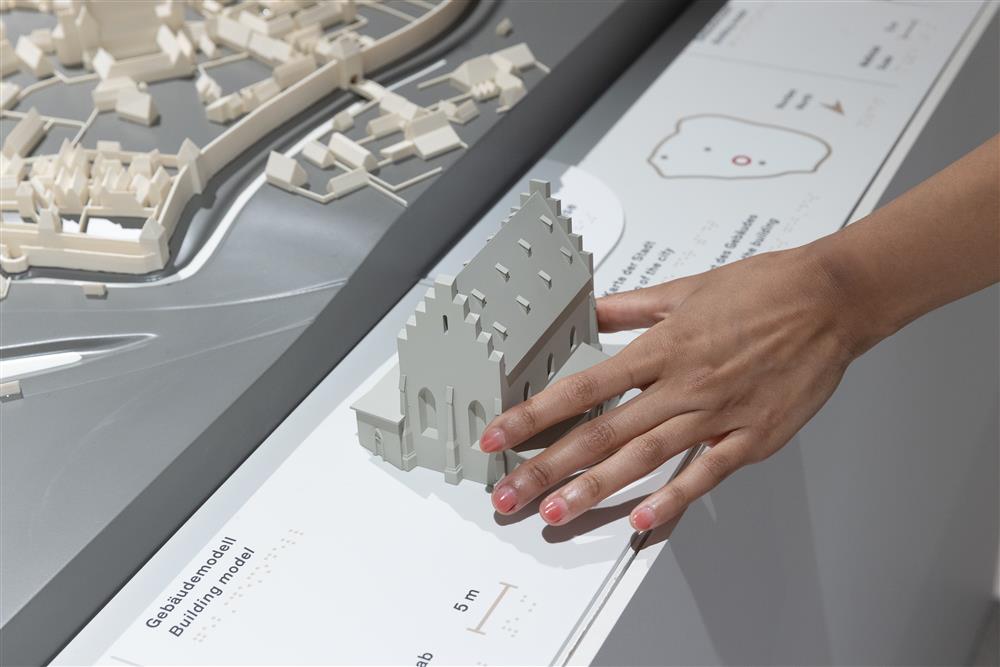
From the outset of the redevelopment, the Wien Museum integrated accessibility into exhibition planning, involving focus groups and disability organizations throughout a four-year co-creation process. This led to the implementation of features such as tactile orientation systems, sign language guides, Easy-Read materials, and quiet zones for neurodiverse audiences. In addition to over 50 tactile and interactive exhibition stations and a comprehensive digital guide to support access needs, the museum also features Austria’s first Changing Place toilet. Since its reopening in 2023, all exhibition information has been made available in visual, tactile, Braille, and audio formats, with assistive devices and on-site guidance provided. Inclusive programming includes education tailored for people with learning difficulties, dementia-friendly tours, sign language content, and simplified German resources. All inclusive and school programmes are provided free of charge, and staff receive training using an Access Ambassador programme based on lived experience. Annual visitor numbers have grown from 130,000 pre-renovation to 650,000 in 2024, with bookings from schools and adult groups steadily increasing. Over 80 tours were delivered to older persons in 2024, and inclusive tours are offered regularly in Austrian Sign Language, easy language, and applying tactile guides and objects.
Funding, Outlook and Transferability
The redevelopment of the Wien Museum was funded by the City of Vienna, with additional support for accessibility features from public funding. As a role model, the museum is consulted by institutions nationwide and referenced by policymakers. It also contributes as a founding member of ARGE Inklusives Museum, and shares its model through exhibitions and educational partnerships. (#ZeroCall26)
Media
Related information
- Connections
- 1
-
Organization