A structured, evidence-based manual for opening nature to all visitors
- Solution
- Accessibility Evaluation Manual
- Organization
- The Access Agency / Parks Victoria (State Gov)
- Country of Implementation
- Australia
- Region
- Australia & Oceania
- Start Year
- 2023
- First published
- 03.12.2025
Solution details
“It has sparked renewed enthusiasm and curiosity - so Parks Victoria can continue to raise the bar for inclusion across all facets of projects, policies, processes and community programs.” Simon Gray, Access And Inclusion, Parks Victoria.
Parks Victoria is a statutory authority of the Victorian Government acting in accordance with the Parks Victoria Act 2018. We recognise the value and importance of working in partnership with Traditional Owners to manage parks and reserves in a culturally sensitive and ecologically appropriate way. Parks Victoria is responsible for managing a diverse estate of more than 4 million hectares including 3,000 land and marine parks and reserves making up 18 per cent of Victoria’s landmass, 75 per cent of Victoria’s wetlands and 70 per cent of Victoria’s coastline. Victoria’s parks are home to more than 4,300 native plants and around 1,000 native animal species. Its “Park Accessibility Evaluation Manual” is a structured, evidence-based toolkit designed to help park staff assess and improve park accessibility, providing checklists and master plans for pathways, facilities, and activities. Currently, over 200 staff use the manual, and this number is set to grow. The Manual has led to dozens of parks being improved and has influenced urban planning and refurbishment across the across the some of the state's most important natural resources.
Problems Targeted
Most national parks lack clear standards for physical, sensory, and communication access, leaving staff in need of practical tools to remove barriers.
Solution, Innovation and Impact
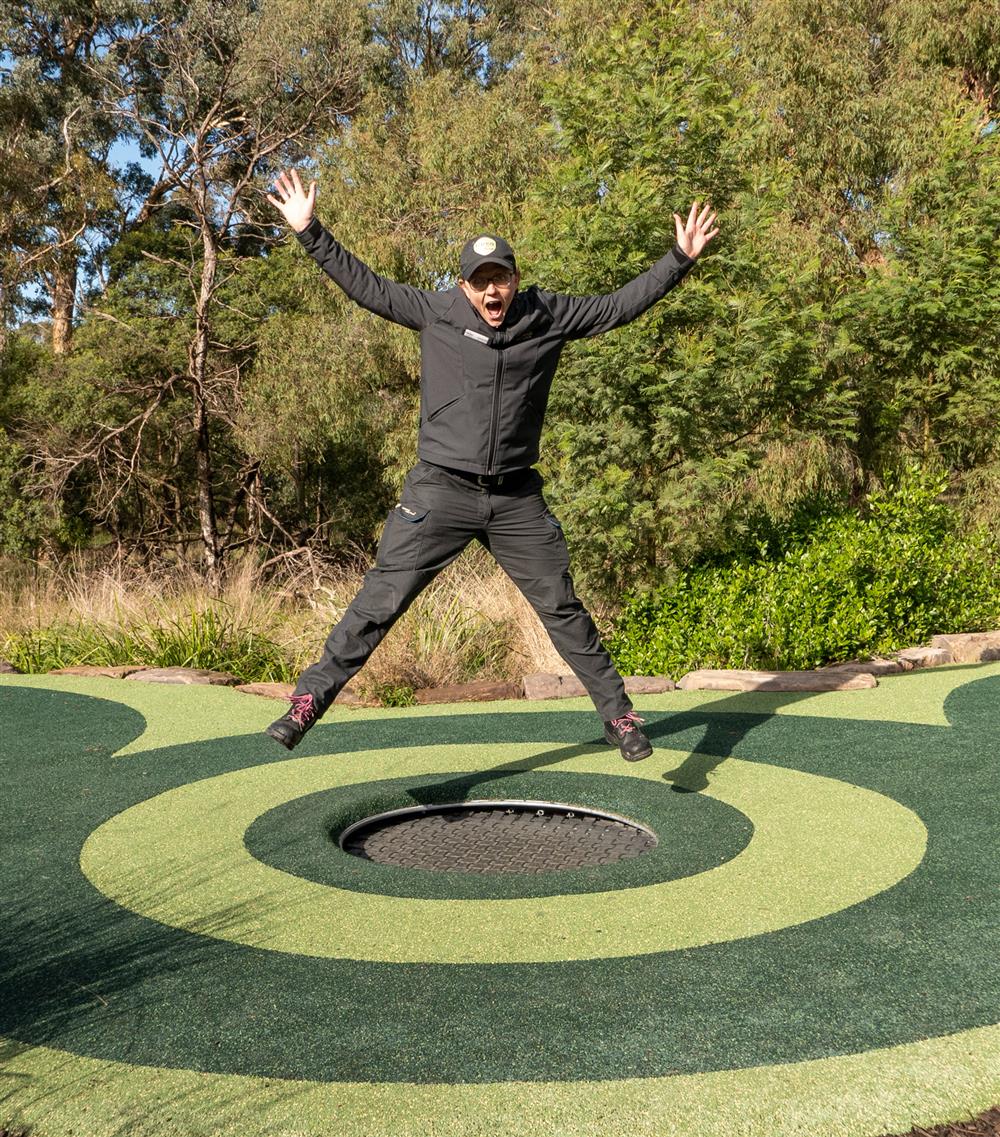
Parks Victoria Accessibility Evaluation Manual is a practical tool created to systematically assess and improve accessibility in Victoria’s national parks. It educates staff on key accessibility concepts; provides a checklist-based self-assessment system covering the visitor journey from arrival to activities; and explains core concepts such as pathways, seating, parking, and signage, and why they matter. The manual combines plain-language explanations with illustrations, data tables, and visitor-focused tips. The Manual allows for consistent access criteria elements to be measured and benchmarked for improved visibility across the state. It guides improvements to both indoor and outdoor facilities, including entrances, trails, lifts, restrooms, play spaces, and sensory gardens. Serving as both a training tool and a planning guide, it has been integrated into procurement and infrastructure projects. Adopted by over 200 park rangers, the Accessibility Evaluation Manual has led to dozens of parks being assessed and improved, including upgraded paths, accessible toilets, sensory gardens, and inclusive play spaces. The Manual also informs masterplans and asset refurbishments across urban, regional, and rural areas, improving public information and encouraging visitation.
Funding, Outlook and Transferability
The first edition of the Park Accessibility Evaluation Manual was developed in 2011 by Travability Pty Ltd and illustrated by Hannah Van de Water. The Manual was updated and tested in 2023 with the second edition prepared by The Access Agency using public funds from the Victorian State Government. It has been translated and shared internationally in Colombia and Chile, and has the potential for broader global use. Its digital format allows for easy updates and sharing. (#ZeroCall26)
Media
Related information
- Connections
- 1
-
Organization