Children-led accessibility audits identifying barriers and renovation needs in schools
- Solution
- Children-Led Accessibility Audits
- Organization
- Child Support Tanzania
- Country of Implementation
- Tanzania
- Region
- Africa
- Subregion
- Subsaharan Africa
- Start Year
- 2017
- First published
- 03.12.2025
Solution details
“Inclusive and accessible schools open doors to dignity, safety, and learning for every child.” Ms. Hildergade Mehrab, Head of Programmes and Advocacy, CST
Child Support Tanzania (CST) is a local NGO, founded by educators and community leaders in the Mbeya region to advance inclusive education. With its Child-to-Child-Led Accessibility Audits & Inclusive Renovations programme, schools are becoming more accessible and children are becoming empowered to be agents of change. Since 2022, 22 public primary schools in Mbeya were assessed and renovated, benefiting 600+ children with disabilities and 850+ without, with a 23 per cent rise in attendance among children with disabilities by 2025.
Problems Targeted
When schools are to be made inclusive and accessible for students with disabilities, this usually happens without the involvement of the actual users.
Solution, Innovation and Impact
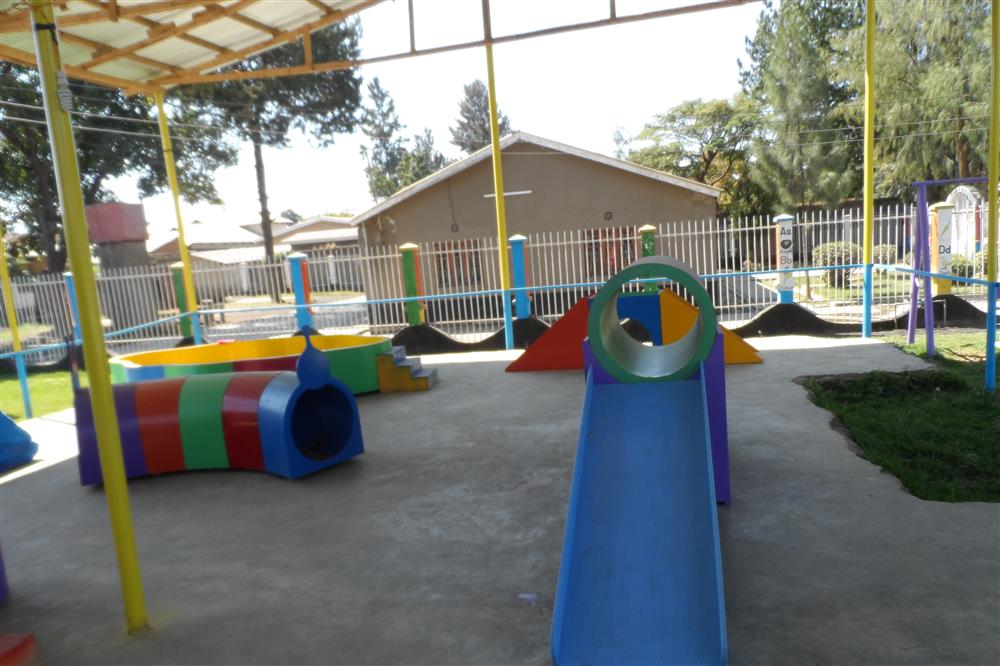
Child-Led Accessibility Audits are based on a standard toolkit adapted from international benchmarks. The implementation of the Child-Led Accessibility Audits and Inclusive Renovations project begins with an accessibility audit in partner schools, led by children with and without disabilities, and guided by a certified accessibility auditor. Parents, teachers, and school management committees actively participate as well. This audit includes checklists, scoring guides, and observation templates aligned with both national and international standards, coordinated by the Accessibility Audit Committee and MEL Unit for quality control, training, and continuous improvement. Data is gathered before and after modifications, with school leaders supporting information sharing and feedback. A government civil engineer and CST team oversee regular the audits. To implement changes, children work alongside local professionals to co-design and implement modifications such as ramps and handrails, widened doorways, accessible toilets, tactile ground indicators and visual signage. From 2022 to mid-2025, 22 public primary schools have been assessed and renovated. In addition, 65 children (30 with disabilities) have been trained as auditors, as have 195 parents, 100 teachers, and 22 school managers. As a result, attendance for children with disabilities has increased by 23 per cent.
Funding, Outlook and Transferability
Child-Led Accessibility Audits has been funded by the UK-charity Comic Relief via Able Child Africa ($40,000 in 2017 and $25,000 since 2021) as well as by the Christian Blind Mission ($26,500 since 2022). Volunteer, mentor, and community contributions support the roll-out. The model is being scaled nationally with the government’s support and has already been replicated internationally. (#ZeroCall26)
Media
Related information
- Connections
- 1
-
Organization