Quality assistive devices locally produced and delivered in East Africa
- Solution
- Kyaro Assistive Tech
- Organization
- Kyaro Assistive Tech
- Country of Implementation
- Tanzania
- Region
- Africa
- Subregion
- Subsaharan Africa
- Start Year
- 2021
- First published
- 03.12.2025
Solution details
“Pursueing your own goals, that is what we offer with each device we design, build, and distribute.” Colman Ndetembea, Co-Founder and CEO, Kyaro Assistive Tech
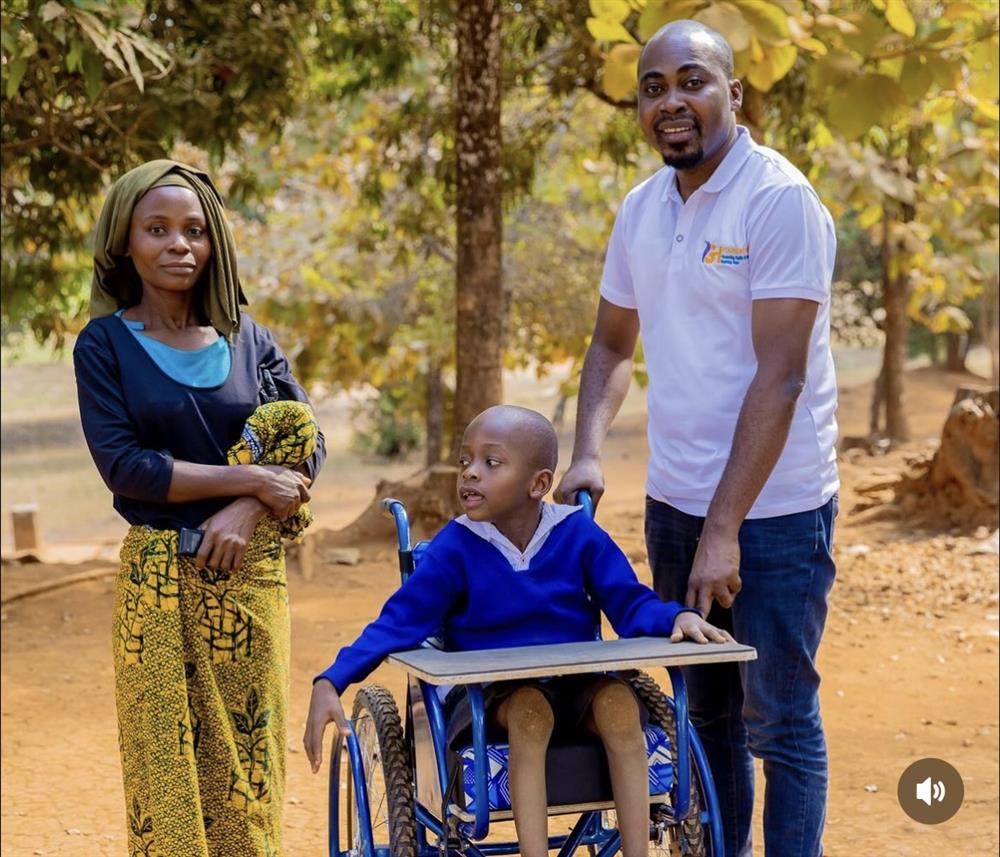
Kyaro Assistive Tech – a Tanzanian social enterprise operating from Arusha and Dar Es Salaam – is building affordable, locally made assistive devices tailored to user needs an adhering to WHO quality standards. It offers a full-service chain with personalized assessment, training, maintenance, and a growing catalogue of products. More than 30 community partnerships enable local manufacturing and broad reach, with Kyaro already piloting collaboration in Kenya and Uganda. Between 2021 and 2025, Kyaro has manufactured and distributed over 2,000 devices.
Problems Targeted
Persons with disabilities across rural and poor communities lack access to affordable, appropriate assistive devices and related services.
Solution, Innovation and Impact
Kyaro Assistive Tech combines locally made, customizable assistive devices with WHO-standard service provision. While many devices in the region are donated or imported, these devices are co-designed with users, tailored for African environments, and built by trained local technicians. Using locally sourced materials reduces costs and supports the ability to repair products. Kyaro maintains and expands a growing catalogue, currently at 26 device types, including wheelchairs, mobility aids, therapy toys, accessible swings, and modified vehicles. For example, its wheelchair for rough terrain costs $180, a gait trainer $90, and splints to support and protect injured bones and joints start at $3. Other innovations include Tanzania's first wheelchair-accessible swing and converted vehicles with wheelchair ramps to facilitate access to schools and therapies. The company operates from a factory in Arusha and a distribution outlet in Dar es Salaam, expanding into Kenya and Uganda; and it has partnered with over 30 regional entities, including hospitals, NGOs, and government agencies. Kyaro has trained more than 40 professionals to WHO standards, and it leverages community networks for service delivery and follow-up care. Device deliveries grew from 52 in 2021 to 663 in 2024, driven by community partnerships, hospital referrals, and production growth.
Funding, Outlook and Transferability
The social enterprise is funded through a mix of sales, grants, and donations, with a long-term goal of achieving 80 percent revenue from sales. In 2024 income totalled $129,773 (43 percent sales, 40 percent grants, and 17 percent donations). In 2026, Kyaro will start building a new manufacturing facility, which will increase product quality, needed for certification, and reduce production costs.. (#ZeroCall26)
Media
Related information
- Connections
- 1
-
Organization