A global reuse network for affordable prosthetics
- Solution
- Collecting and Repurposing Used Prosthetic and Orthotic Equipment
- Organization
- Penta Medical Recycling
- Country of Implementation
- United States of America
- Region
- North America
- Start Year
- 2018
- First published
- 03.12.2025
Solution details
“Every prosthetic reused and redistributed is a life restored – waste turned into opportunity.” Anna Szczepanek, Global Mobility Ambassador, Penta Medical Recycling
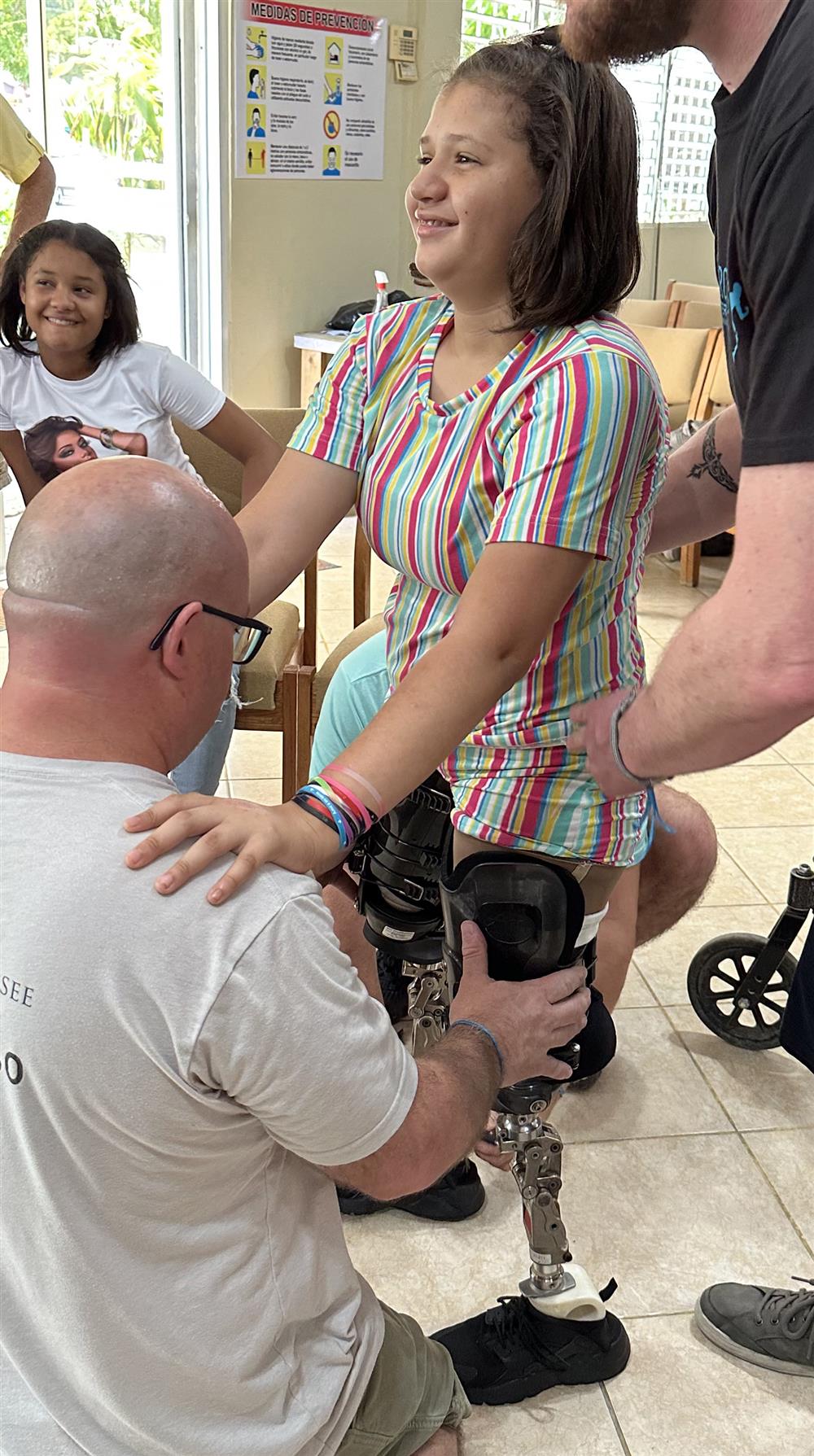
Penta Medical Recycling is a U.S.-based NGO working internationally. It collects surplus prosthetic limbs and components from clinics, manufacturers, and private donors in the United States, and then distributes them to clinics in low- and middle-income countries. By connecting with local partners, universities, and rehabilitation providers, Penta enables affordable prosthetic care at scale, using global logistics and reducing medical waste. Penta aims to continue the fast growth of its global operations over the next few years.
Problems Targeted
Millions of persons with a limb loss globally lack access to prosthetic care due to prohibitive costs and supply gaps, limiting mobility as well as social and economic participation.
Solution, Innovation and Impact
Penta Medical Recycling collects surplus and gently used prosthetic items (e.g., feet, knees, pylons replacing bones, and liners forming skins) before disposal from clinics in the United States (including Hanger Clinic, the nation’s largest prosthetic provider with nearly 1,000 locations), universities, manufacturers, and distributors. Each item is then sorted, inspected, cleaned, and documented. This information is then published on a platform that enables accredited clinics and non-profit hospitals to request items based on their patients’ requirements. The average cost to upcycle and deliver one prosthetic component is approximately $50 – a fraction of the original cost of the equipment, or of other forms of producing prosthetics of similar quality. From 2018 to 2025, over 13,000 prosthetic components have been shipped to 29 countries, with more than 2,600 persons with limb loss regaining mobility. Additionally, the model has reduced medical waste substantially. At the end of 2025, Penta will pilot an offsite collection of prosthetic components with a Prosthetics and Orthotics accreditation programme at a local university. As part of the project, students will receive and inventory donated prosthetic components on campus, creating a replicable model that combines hands-on learning with impact-driven service.
Funding, Outlook and Transferability
Penta operates as a charitable non-profit funded by family foundations, major donors, and in-kind contributions. In 2024 Penta’s budget was approximately $445,000 and the organization was exploring earned revenue streams to support long-term sustainability. Strategic goals include expanding collection networks and international clinic partnerships to reach more underserved amputees. (#ZeroCall26)
Media
Related information
- Connections
- 1
-
Organization